


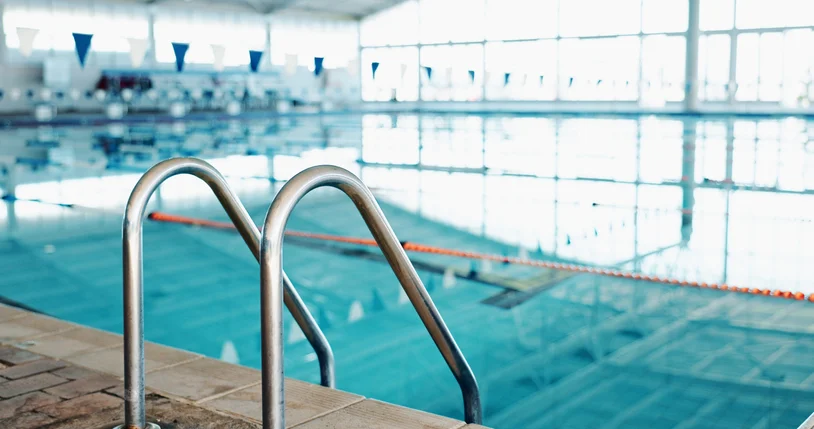
Florida’s warm climate makes swimming pools a popular destination throughout much of the year, particularly during the summer months. Residential pools, hotel pools, community pools, and recreational facilities offer opportunities for relaxation and recreation, but they can also pose serious safety risks when not properly maintained or supervised.
When someone is injured in or around a swimming pool, questions often arise about who may be responsible. In many situations, a property owner may be held liable if negligence contributed to the injury.
Understanding Premises Liability and Pool Accidents
Property owners have a legal responsibility to maintain reasonably safe conditions for visitors. This responsibility extends to swimming pool areas, where hazards can lead to severe injuries or even fatalities.
Premises liability claims generally arise when a property owner knew or should have known about a dangerous condition and failed to take reasonable steps to address it.
Not every pool-related injury automatically results in liability. However, if negligence played a role, the injured party may have grounds to pursue compensation.
Common Causes of Pool-Related Injuries
Swimming pool accidents can occur in various ways.
Some common hazards include:
- Slippery pool decks
- Broken or missing safety equipment
- Inadequate fencing
- Defective pool drains
- Poor lighting
- Unsafe diving conditions
- Lack of warning signs
- Improper maintenance
- Faulty ladders or handrails
Even a seemingly minor hazard can pose a significant risk when visitors use a pool area.
The Importance of Proper Pool Maintenance
Regular inspections and maintenance play an important role in preventing injuries. Property owners should routinely evaluate the condition of pool surfaces, water quality, safety barriers, and equipment.
Failure to correct known hazards may increase the likelihood of accidents and expose property owners to potential liability.
For example, if a cracked pool deck causes a visitor to trip and suffer an injury, the property owner’s failure to address the hazard could become a central issue in a legal claim.
Pool Safety and Children
Children are particularly vulnerable around swimming pools. Because of this, property owners are often expected to take additional precautions to prevent unauthorized access.
Measures may include:
- Secure fencing
- Self-closing gates
- Locked access points
- Warning signage
- Proper supervision policies
Failure to implement appropriate safety measures can increase the risk of serious accidents involving children.
How Liability Is Determined
Determining liability in a pool injury case often requires a detailed investigation.
Several factors may be examined, including:
- Whether the hazard existed for a significant period
- Whether the owner knew about the danger
- Whether reasonable inspections were conducted
- Whether warning signs were present
- Whether applicable safety regulations were followed
Evidence such as photographs, maintenance records, witness statements, and incident reports may help establish liability.
Injuries That May Result from Pool Accidents
Pool-related injuries can range from minor to catastrophic.
Examples include:
- Slip-and-fall injuries
- Head injuries
- Neck injuries
- Spinal cord injuries
- Broken bones
- Near-drowning injuries
- Traumatic brain injuries
In severe cases, long-term medical care and rehabilitation may be necessary.
What Compensation May Be Available?
Individuals injured by unsafe pool conditions may be entitled to seek compensation for losses arising from the incident.
Potential damages may include:
- Medical expenses
- Future medical treatment
- Lost wages
- Pain and suffering
- Rehabilitation costs
- Long-term care needs
The specific compensation available depends on the facts of each case.
Jacksonville Premises Liability Lawyers
If you or a loved one suffered injuries in a pool-related accident and believe negligence may have been involved, the team at Nooney, Roberts, Nowicki & Nommensen, Injury Lawyers can help evaluate your situation. Contact us today at (904) 877-4195 to learn more about your rights and potential legal options.