

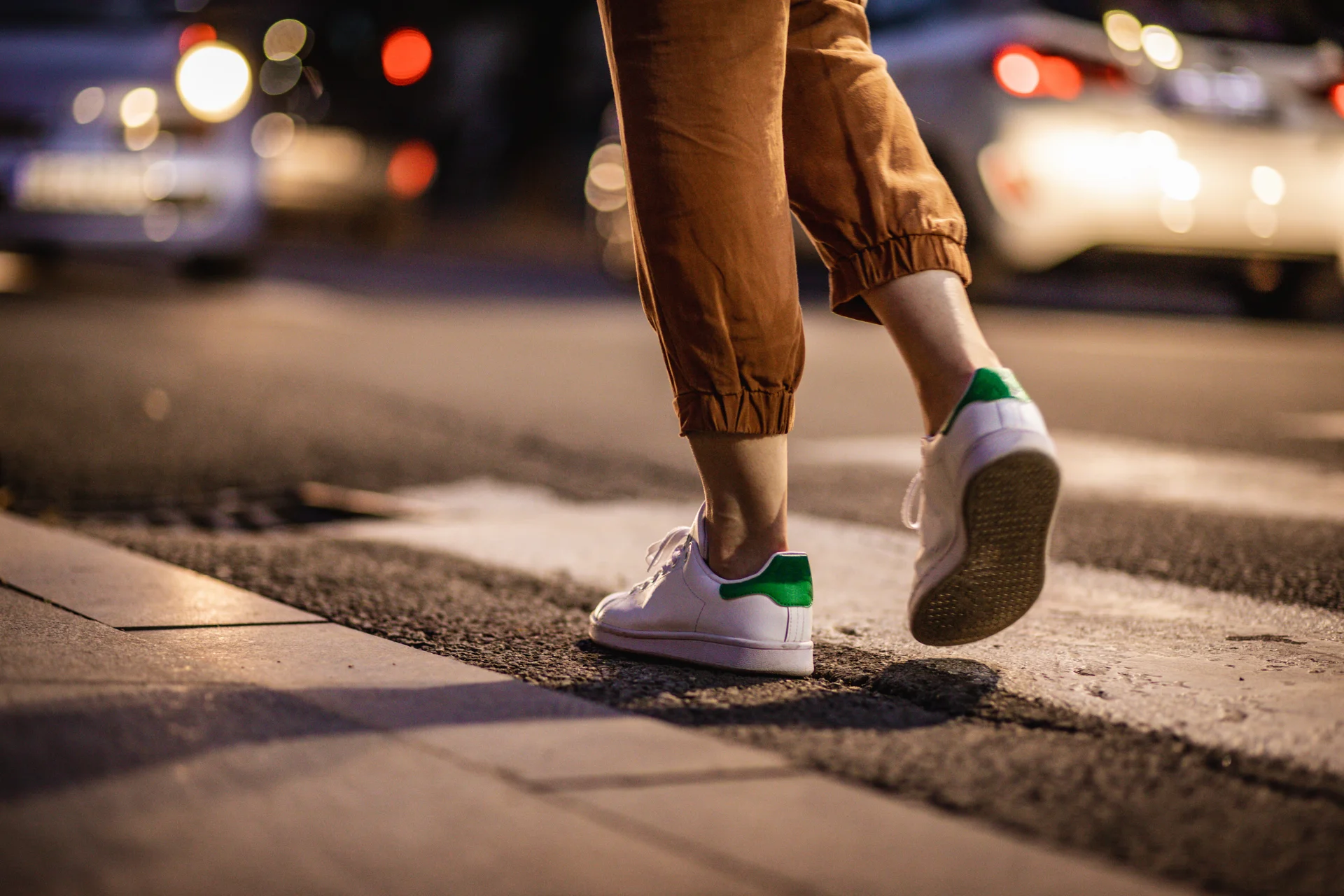
A pedestrian struck by a vehicle in a crosswalk may be left dealing with much more than the immediate shock of the collision. Broken bones, head injuries, spinal injuries, soft-tissue damage, or other serious injuries can lead to emergency treatment, ongoing medical care, missed work, and significant changes to daily life. When the collision happens after dark, questions about visibility, lighting, the pedestrian’s actions, and the driver’s conduct can become especially important.
If you were hit while crossing the road in Jacksonville or elsewhere in Florida, you may wonder whether being struck at night makes it more difficult to pursue a personal injury claim. The answer depends on the specific circumstances. Nighttime does not automatically prevent an injured pedestrian from recovering compensation. Instead, the facts surrounding the collision and the conduct of everyone involved may determine who is responsible and how damages are handled.
Does Florida Law Protect Pedestrians in Crosswalks?
Florida law provides specific rules concerning pedestrians and drivers. Under Florida Statute § 316.130, pedestrians are subject to certain traffic-control requirements, while drivers have a duty to exercise due care to avoid colliding with pedestrians. The law also addresses pedestrian right-of-way in different crossing situations. (Online Sunshine)
This means simply saying that a pedestrian was hit does not answer the legal question of who was responsible. Investigators may need to determine where the pedestrian was crossing, whether the crosswalk was marked or unmarked, what traffic signals were displaying, whether the driver had an opportunity to see the pedestrian, and what the driver did immediately before impact.
A crosswalk can provide important evidence concerning the circumstances of a collision, but every pedestrian accident still needs to be evaluated individually.
Why Can a Nighttime Crosswalk Collision Be More Complicated?
Darkness can affect what a driver can see, but it does not automatically excuse a driver from responsibility. A nighttime pedestrian collision may require a closer examination of visibility and road conditions.
For example, investigators may consider whether streetlights were working, whether nearby buildings or landscaping obstructed the driver’s view, whether the vehicle’s headlights were operating properly, and whether weather conditions affected visibility. The position and color of the pedestrian’s clothing may also become part of the driver’s argument about what could reasonably have been seen.
Other details can matter just as much. A driver may have been speeding, distracted, impaired, turning through an intersection, failing to yield, or otherwise operating the vehicle carelessly. The fact that the collision occurred at night does not eliminate those potential issues.
Evidence from the location can therefore become particularly important. Photographs of the intersection, surveillance footage, traffic-camera footage when available, witness statements, vehicle damage, and the police report may all help establish what happened.
Can a Pedestrian Be Partially at Fault?
Florida’s comparative fault law is important in pedestrian injury cases because the injured person’s conduct can become part of the dispute. Florida Statute § 768.81 provides that contributory fault in a negligence action can reduce the damages awarded in proportion to the claimant’s percentage of fault, subject to the statute’s requirements. (Online Sunshine)
That means an insurance company may attempt to argue that the pedestrian contributed to the collision. For example, an insurer might focus on whether the pedestrian entered the roadway against a signal, stepped outside the designated crossing area, or was difficult to see.
But an allegation of fault is not automatically proof of fault.
The circumstances have to be examined as a whole. A driver’s speed, attention, reaction time, traffic signal, positioning, and other conduct may also be relevant. Determining responsibility requires looking beyond a single fact about the collision.
What Damages Could a Pedestrian Injury Claim Involve?
The financial impact of being struck by a vehicle can extend well beyond the initial emergency-room visit. Depending on the injuries and circumstances, a claim may involve medical expenses, future medical care, lost income, reduced earning ability, and other economic losses.
A serious injury can also affect a person’s life in ways that are more difficult to put into a dollar amount. Pain, physical limitations, emotional distress, and the loss of the ability to participate in normal activities may all become relevant to a personal injury claim.
The nature and extent of damages will depend on the individual circumstances of the injured person. A pedestrian who suffers a relatively minor injury will have different damages from someone who requires surgery, rehabilitation, or long-term treatment.
What Should You Do After a Pedestrian Collision at Night?
If you have been struck by a vehicle, seeking appropriate medical attention should be a priority, even if your injuries do not initially appear severe. Some injuries may not be immediately obvious after a collision.
If you are able to do so safely, preserving information about the crash can also be valuable. This may include photographs of the intersection and surrounding area, the vehicle involved, visible injuries, traffic signals, lighting conditions, and anything else that helps document the scene.
Keep records of medical treatment and expenses, and preserve information related to missed work or other financial effects of the injury. Witness contact information and available video footage may also become important.
You should also be cautious about giving statements to an insurance company before you understand your legal options. An insurer may ask questions about how the collision occurred or about your injuries. Statements made shortly after a crash can sometimes be interpreted in ways that do not accurately reflect the full circumstances.
How Long Do You Have to Pursue a Florida Pedestrian Injury Claim?
Time can matter after a pedestrian collision. Florida Statute § 95.11 currently provides a two-year limitations period for an action founded on negligence, although exceptions and different deadlines may apply depending on the circumstances. (Online Sunshine)
A deadline should not be treated as a reason to wait. Important evidence can become harder to locate as time passes. Surveillance footage may be overwritten, witnesses may become difficult to locate, and memories can fade.
If you were injured in a crosswalk, obtaining legal guidance early can help you understand which deadlines and legal issues apply to your particular situation.
How Can Nooney, Roberts, Nowicki & Nommensen, Injury Lawyers Help After a Florida Pedestrian Collision?
A pedestrian collision can involve questions about right-of-way, visibility, driver conduct, comparative fault, insurance coverage, and the full extent of an injured person’s losses. You do not have to try to sort through those issues alone.
If you or someone you love has been injured after being hit by a vehicle in Jacksonville or elsewhere in Florida, Nooney, Roberts, Nowicki & Nommensen, Injury Lawyers can review the circumstances of the collision and discuss your potential legal options. Contact the firm at (904) 877-4195 to learn more about how your case may be handled.
This article is for general informational purposes only and is not a substitute for legal advice. The facts and deadlines applicable to an individual case can vary.