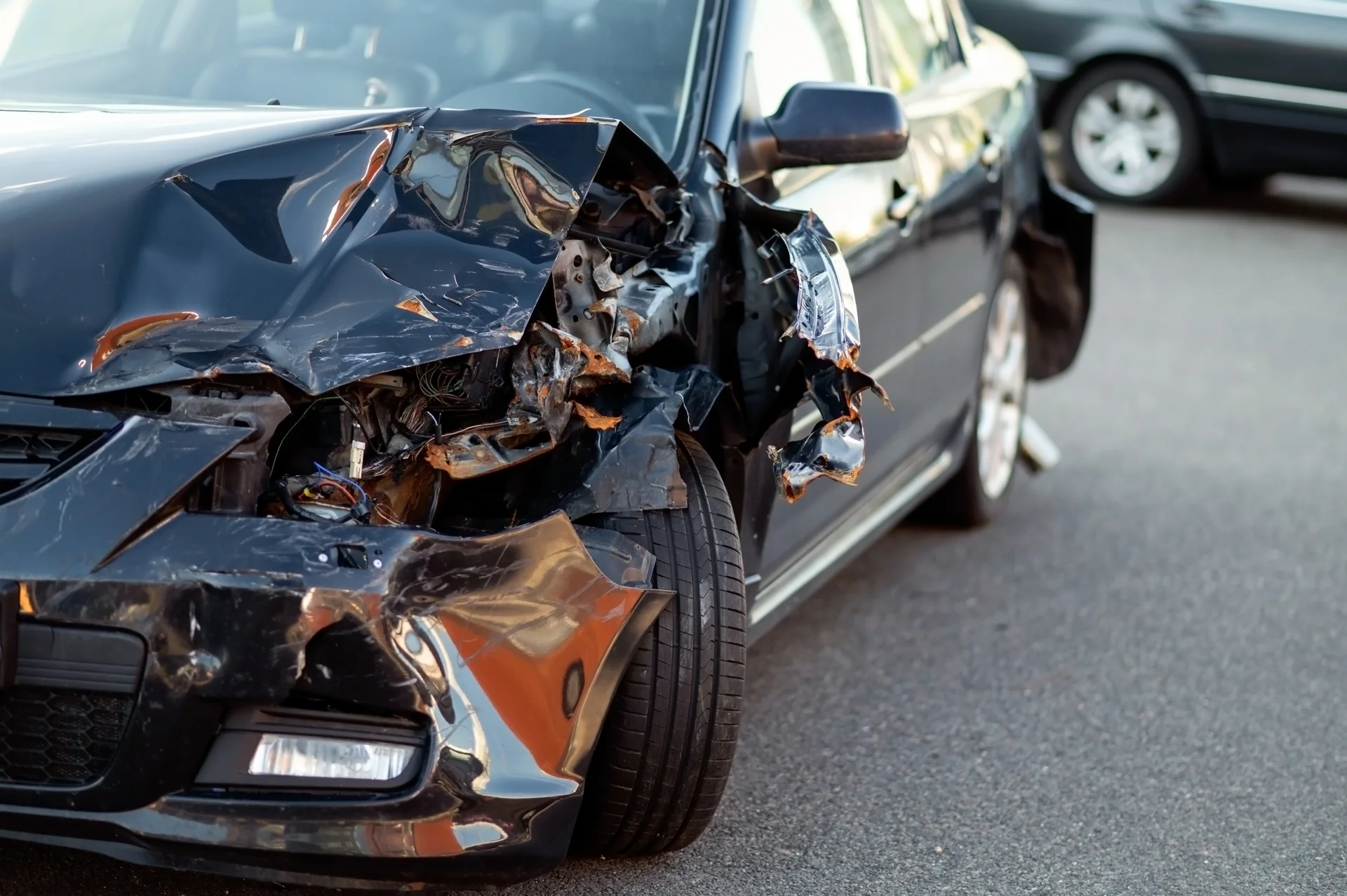


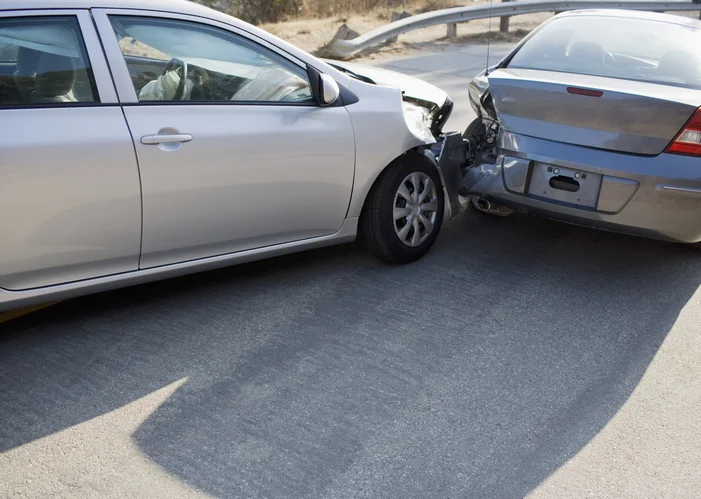
Rear-end collisions are among the most common types of motor vehicle accidents in Florida. Whether traffic is slowing unexpectedly, congestion is building during rush hour, or a driver becomes distracted behind the wheel, these accidents can happen in an instant. On busy Jacksonville roadways such as Beach Boulevard and Atlantic Boulevard, rear-end crashes are common due to heavy traffic, numerous intersections, and ongoing commercial activity.
One of the first questions many accident victims ask after a rear-end collision is who is legally responsible for the crash. While many people assume the rear driver is always at fault, liability is not always as straightforward as it may seem.
Understanding Liability in a Rear-End Collision
In many rear-end accidents, the driver who strikes the vehicle in front is presumed to be responsible. Drivers are expected to maintain a safe following distance and remain attentive to changing traffic conditions. When a motorist follows another vehicle too closely or fails to react in time, they may be held liable for the resulting damages.
However, every accident is unique. Liability is determined by examining the circumstances leading up to the crash rather than relying solely on assumptions.
Several factors may influence who is responsible for a rear-end collision, including driver behavior, road conditions, vehicle maintenance issues, and available evidence.
Situations Where the Lead Driver May Share Responsibility
Although the trailing driver is often considered at fault, there are circumstances where the lead driver may contribute to a collision.
For example, a driver who suddenly reverses, makes an unsafe lane change, or stops unexpectedly without a valid reason may share responsibility for the accident. Similarly, malfunctioning brake lights can make it difficult for following motorists to recognize that traffic is slowing or stopping.
Florida follows a comparative negligence system, meaning liability may be divided among multiple parties if more than one person contributed to the crash.
Common Causes of Rear-End Collisions
Rear-end accidents can occur for a variety of reasons.
Some of the most common causes include:
- Distracted driving
- Following too closely
- Speeding
- Sudden traffic slowdowns
- Driver fatigue
- Impaired driving
- Adverse weather conditions
- Mechanical failures
Busy corridors like Beach Boulevard and Atlantic Boulevard often experience heavy traffic throughout the day, increasing the likelihood of stop-and-go conditions and rear-end crashes.
Evidence Used to Determine Fault
Determining liability often requires a careful review of the available evidence. Insurance companies, attorneys, and investigators may examine numerous sources of information when evaluating a claim.
Evidence may include:
- Police accident reports
- Photographs from the scene
- Vehicle damage assessments
- Witness statements
- Traffic camera footage
- Surveillance video
- Cell phone records
- Vehicle data recordings
- Medical records
The more evidence available, the easier it may be to establish what happened and identify the parties responsible for the collision.
Injuries Commonly Associated with Rear-End Accidents
Even seemingly minor rear-end collisions can result in significant injuries. Because the impact often causes the body to move suddenly forward and backward, occupants may suffer injuries that are not immediately apparent.
Common injuries include:
- Whiplash
- Neck injuries
- Back injuries
- Concussions
- Soft tissue injuries
- Herniated discs
- Shoulder injuries
- Head trauma
Seeking prompt medical attention after an accident is important for both health and documentation purposes.
What Compensation May Be Available?
Depending on the circumstances, injured individuals may be entitled to pursue compensation beyond available insurance benefits.
Damages may include:
- Medical expenses
- Future medical treatment
- Lost income
- Reduced earning capacity
- Pain and suffering
- Property damage
- Rehabilitation costs
The value of a claim depends on factors such as the severity of injuries, available evidence, and the extent of financial losses.
Protecting Your Rights After a Rear-End Collision
The actions taken immediately after an accident can significantly impact a future claim. Drivers involved in a rear-end collision should prioritize safety, seek medical care, document the scene when possible, and avoid making assumptions about fault before all facts are known.
Because liability disputes can arise even in accidents that appear straightforward, understanding your legal options is important.
Jacksonville Car Accident Lawyers
If you have been injured in a rear-end collision and have questions about liability, compensation, or the claims process, the experienced team at Nooney, Roberts, Nowicki & Nommensen, Injury Lawyers is here to help. Contact us today at (904) 877-4195 to discuss your situation and learn more about your legal options.